Wildlife
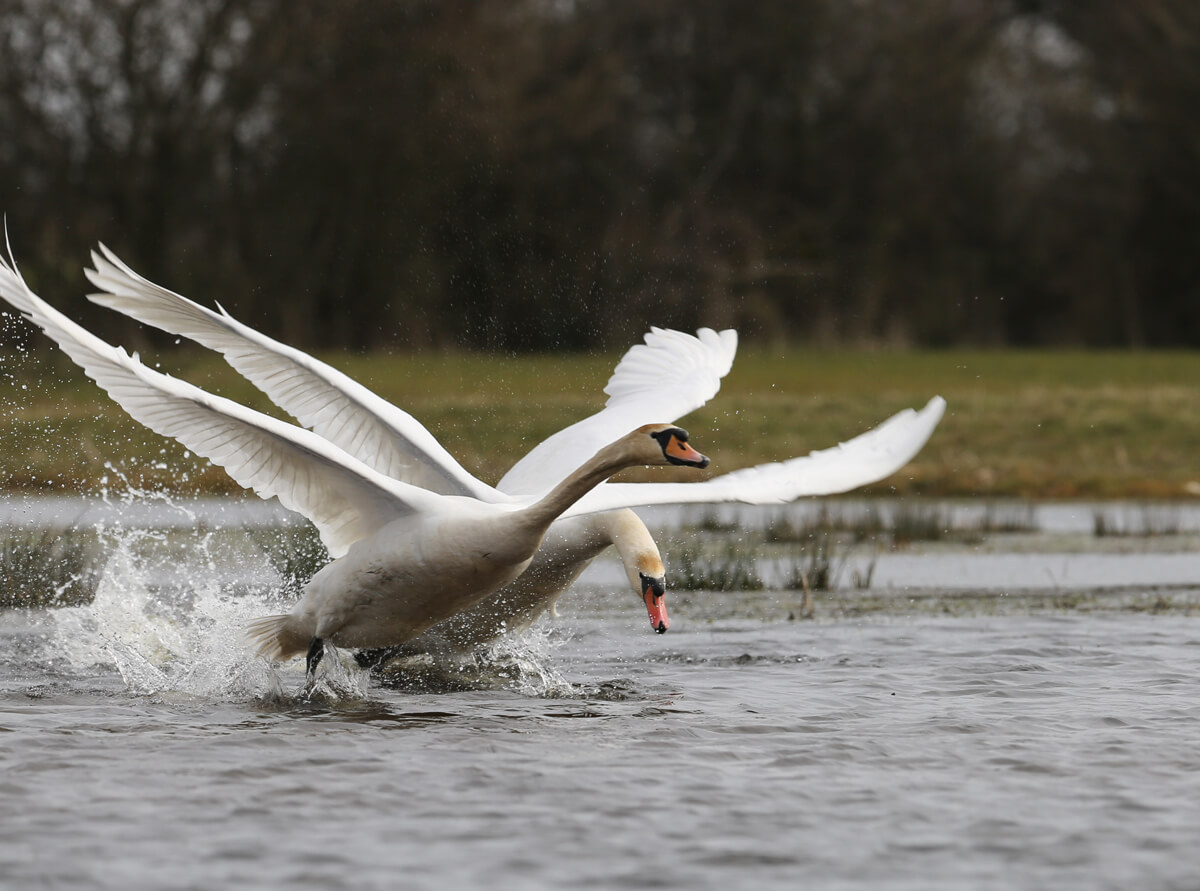
It is the marshland that underpins the amount of wildlife found on the farm. Some 216 bird species have been recorded, though the commoner winter and ground nesting varieties are most valued. Winter flooding of the wetlands, with dampness extending into the Spring, attracts winter flocks of snipe, lapwing, teal, wigeon, shoveler and others. Springtime is when our lapwing nest, along with a whole community of other birds of wet grassland. The successful fledging of young by the ground-nesting birds is an annual focus of our work.
The wetlands are home to many insects. More than 120 species of fly, 19 species of dragonfly and many types of snails and beetles can be found. A star of the farm is the Fen Raft spider, a rare but dramatic predator, large enough to eat small fish.
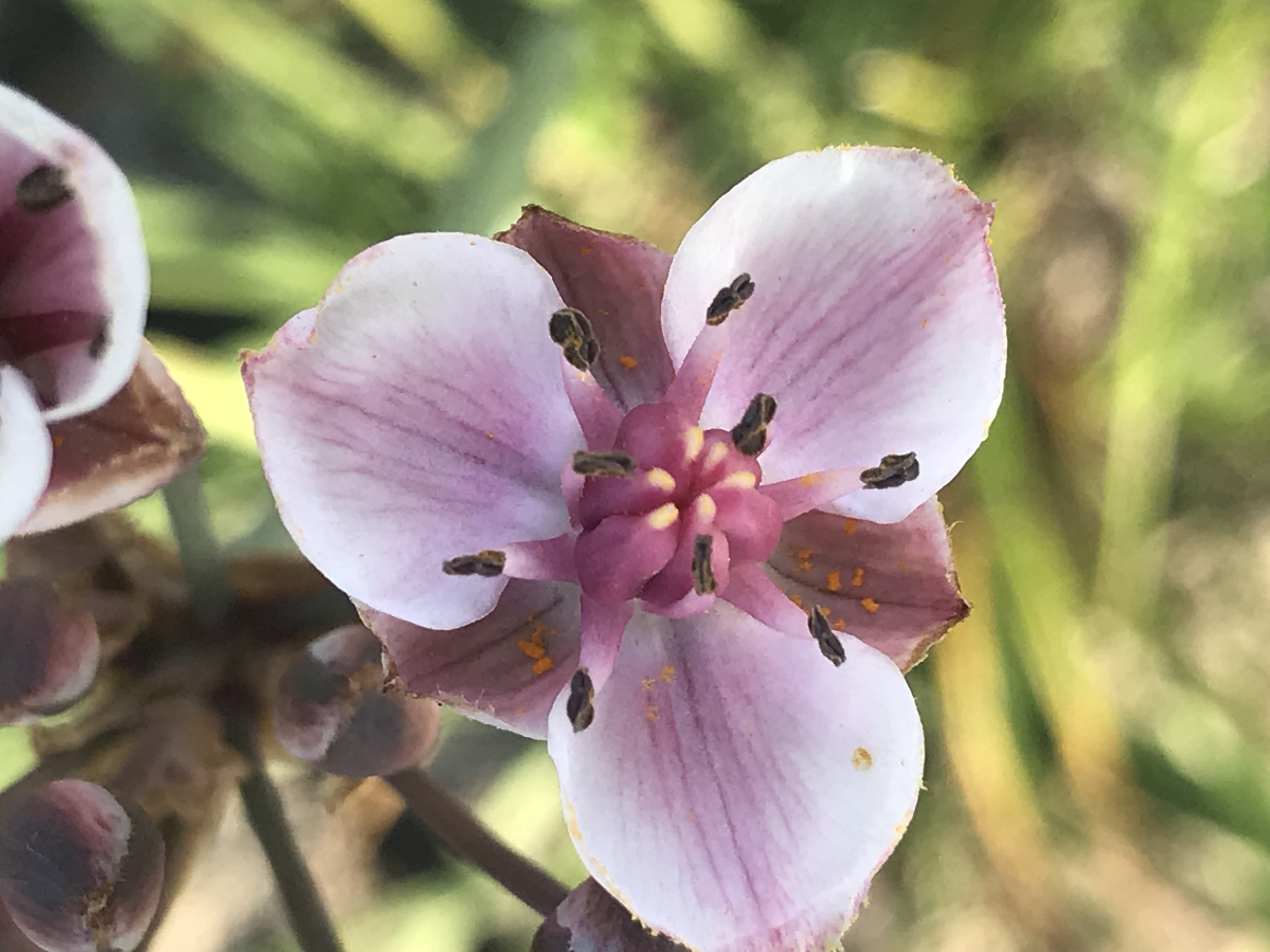
Over 100 wetland plant species can be found in the carefully managed waterways, from flowering rushes to rare stoneworts and pondweeds. This diversity has been encouraged out into the pastures, one field alone containing nearly 4000 flowering Green-winged Orchids and over 20 species of grass.
A long-standing relationship with Natural England has yielded a partially enwilded landscape with many developing habitats, such as fens and reedbeds merging with wet grassland. We work closely with the Pevensey Farmers Cluster and the Sussex Wildlife Trust in a landscape project creating greater areas of wetland. In a project to conserve water voles, we are working with Waterlife Recovery to eradicate American mink and with CABI to help find biological controls for invasive aquatic plants.
The farm also holds extensive areas of hedge and scrub, and woodlands doubled in area in 2022 through a Forestry Commission grant. An aim for these trees is to preserve the dawn chorus.